


Effective Strategies for Achieving Normalization in a Montessori Classroom for Ages 3 to 6
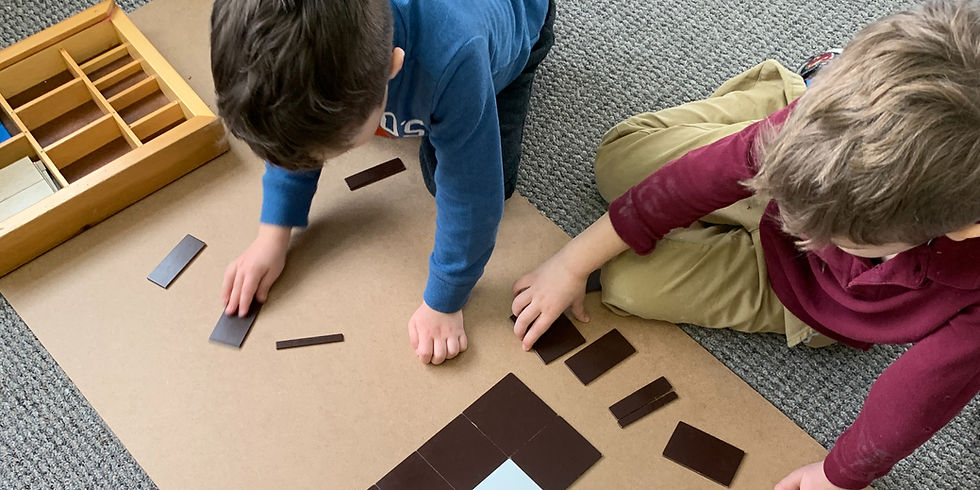
Normalization in a Montessori classroom is more than just a buzzword; it's a vital process that enables children to develop independence, focus, and community spirit. For kids aged 3 to 6, this period is a key transition as they move from the comfort of home into a structured learning environment. Effective normalization sets the stage for their lifelong learning journey. In this post, we will explore practical strategies to foster normalization in a Montessori classroom, ensuring every child thrives.
Understanding Normalization
Normalization is the journey through which children cultivate self-discipline, engagement, and independence. In a Montessori setting, creating an environment that feels safe and inviting is essential.
By fostering this process, educators play a crucial role in helping children develop important life skills, including problem-solving, collaboration, and self-regulation. Children who engage in a normalized environment are more likely to demonstrate increased independence and self-discipline in everyday tasks.
1. Create a Prepared Environment
An organized and well-thought-out environment forms the foundation of a Montessori classroom.
Use Child-Sized Furniture: Ensure tables, chairs, and shelves are appropriately sized. This not only encourages independence but also allows children to freely explore their materials.
Emphasize Practical Life Activities: Have a variety of activities that are interesting, and developmentally appropriate for the children in the classroom. Rotating practical life work on your shelves regularly will help hold the children's interest in these important activities.
Organize Learning Areas: Clearly define spaces for different activities such as practical life, sensorial materials, language, and math. For instance, a dedicated math area, allowing children to easily and freely choose appropriate work, can enhance children's understanding and enjoyment of numbers.
Incorporate Natural Elements: Dr. Montessori suggested children have as much interaction with nature as possible so using plants, natural materials, and soft colors will create an appealing environment. Research shows that classrooms with natural elements can improve students' overall mood and focus by 25%.
2. Encourage Independence
Promoting independence is essential to achieving normalization. Children need to feel empowered in their learning journey.
Offer Choices: Allow children to select their activities and materials. Giving them the option of working with any material they have been presented can boost motivation and engagement.
Teach Self-Care Skills: Integrate practical activities that encourage daily self-care, such as washing hands, dressing independently, or preparing simple snacks. Such activities can significantly boost self-esteem and independence.
Model Problem-Solving: When children encounter challenges, guide them to think critically rather than immediately offering help. For instance, when a child struggles to construct the Pink Tower, ask them, "What do you think would work better?"
3. Promote Concentration and Focus

Helping children concentrate is vital for their overall development.
Allow Repetition: Practical life activities are the road to concentration. Encouraging children to repeat activities from this area develops their sense of order and self-discipline. Children learn to choose an activity, repeat it as many times as they wish, and return the activity to the shelf. This is the essence of normalization.
Limit Distractions: Create a quiet, calm environment by minimizing noise and visual distractions. For example, using soft background music or nature sounds can help children focus better on tasks.
Use Routines to Your Advantage: When the child knows what's coming next they are not preoccupied with thoughts of future activities. A consistent routine helps them stay focused and have an internal guide for when it is time to wrap up their activity.
Encourage Deep Work: Let children engage in activities for longer periods without interruption. Resist the urge to praise their effort at these times, thus breaking their concentration with external distraction. Studies indicate that uninterrupted work can enhance children's focus by 50%.
4. Foster a Sense of Community
Building a strong sense of community is crucial for normalization. Children should feel connected to their peers and the learning environment.
Encourage Collaboration: Create chances for children to work together when appropriate. For instance, group projects, such as creating a class garden, can enhance teamwork and social skills.
Establish Routines: Consistent daily routines help children feel secure and understand expectations. A predictable schedule can lead to less anxiety and a smoother learning experience. Make sure that children are informed in advance of any changes to the routine.
Display Children's Efforts: Having a space to display work that the children choose to share, builds confidence in themselves and empathy for others. Allowing the children to decide what to display can improve their confidence.
5. Observe and Adapt
Observation is a core aspect of the Montessori approach. By closely watching children, educators can adjust teaching strategies to suit individual needs.
Take Notes: Keep records of each child's interests, strengths, and areas for improvement. This tailored approach allows for personalized learning experiences. In order to follow the child you need to know where they are going.
Be Flexible: Be open to adjusting the environment and activities based on children's needs and interests. If a group of children shows a keen interest in polar bears, introducing related materials can enhance their learning experience.
Engage in Reflective Practice: Regularly assess your teaching strategies and the classroom environment. Reflecting on what works well and what needs tweaking can greatly improve the normalization process.
6. Involve Families

Engaging families in the normalization journey can significantly enhance children’s experiences. When family involvement increases, children feel more supported both at school and at home.
Communicate Regularly: Maintain open lines of communication with families regarding classroom activities, goals, and their child's progress. This partnership builds a robust support system.
Host Family Events: Organize activities where families can participate in classroom learning. For example, family workshops on practical life skills can strengthen relationships and engagement. When parents understand the Montessori method better they appreciate the need for children to master skills and concepts at their own pace.
Provide Resources: Share tips and materials with families to support learning at home. Activities like simple cooking tasks or nature walks can reinforce skills and knowledge in a fun way. Let parents know what you're talking about in class and ways they can encourage curiosity.
Wrapping Up
Achieving normalization in a Montessori classroom for 3 to 6-year-olds is a fulfilling journey. By creating a prepared environment, fostering independence, building community, promoting focus, observing and adapting, and involving families, educators can ensure children thrive.
Normalization benefits not just individual children but also cultivates a harmonious atmosphere where learning truly blossoms. Embrace these strategies and witness your classroom transform into a vibrant community of engaged and independent learners.

Comments